At the 2nd AI Glasses Industry Development Conference, held in Yujiang, Jiangxi Province from April 1–2, 2026, the latest advancements in AI glasses—spanning product technology and channel strategies—were showcased. For many traditional glasses brands and offline retailers, the message was clear: while AI glasses are rapidly gaining traction, the core strengths of the traditional glasses industry remain irreplaceable.
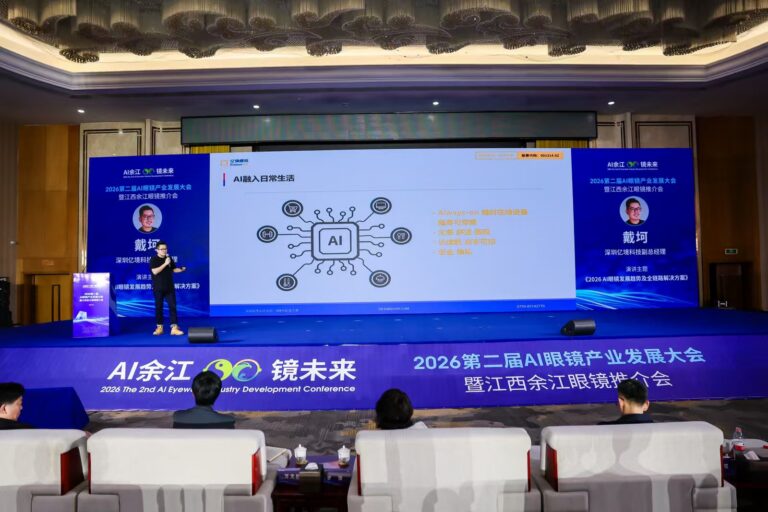
At its core, the glasses industry is defined by “fashion + optometry.” Since consumers still rely on in-store fittings and vision tests, offline channels have always been central to the purchasing process. This fundamental dynamic is unlikely to change, even as AI capabilities are integrated into glasses. Physical stores will continue to play a vital role in the smart glasses era.

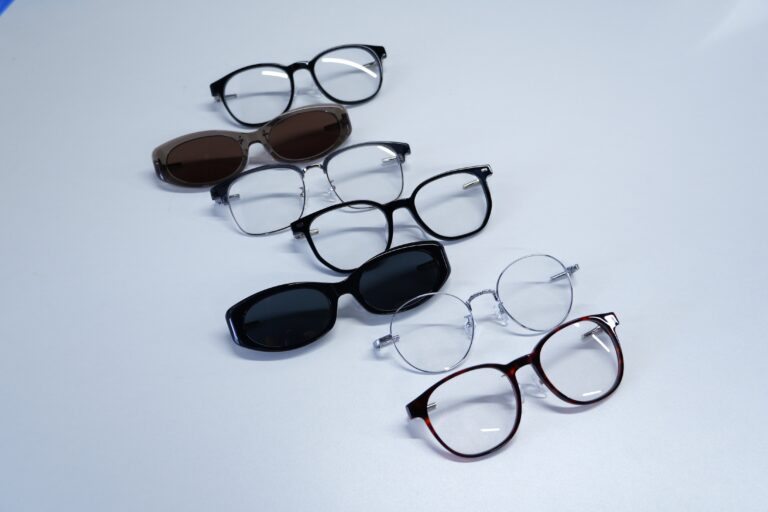
Following in-depth discussions at the conference, many traditional glasses brands expressed strong interest in audio glasses solutions. Compared to AR glasses, which involve greater technical complexity, audio glasses are more mature and do not disrupt users’ existing wearing habits. These products maintain the appearance of conventional glasses while embedding audio and AI functionalities into the temples.
The prevailing collaboration model in the industry is clear: traditional glasses brands focus on frame design and manufacturing—leveraging their strengths in aesthetics and retail channels—while technology solution providers such as EmdoorXR deliver smart temples, along with supporting software and AI services. This approach enables traditional players to achieve rapid smartification without overhauling their existing operations.
AI-powered, scenario-based applications are also gaining traction. Features such as real-time translation, AI meeting assistants for audio recording and automatic transcription, and voice-enabled tools like weather updates and reminders are becoming increasingly practical. These value-added experiences are key drivers of consumer interest.
For traditional glasses brands, the most practical entry point today is to adopt audio glasses as a smart extension of their existing product lines. By leveraging mature smart temple solutions paired with proprietary frame designs, companies can enter the market with lower risk while preserving their strengths in retail channels and optometry services.
Over time, users will become more accustomed to the convenience of AI-powered features, gradually building expectations for next-generation products. As display technologies become more affordable, offline retailers with established customer bases will be well-positioned to upgrade to more advanced smart glasses offerings. This evolution represents not a departure from existing business models, but a gradual shift—incrementally increasing the share of smart glasses through continuous iteration.
In conclusion, AI glasses are an undeniable industry trend. At the same time, the traditional glasses sector’s advantages in retail channels, design, and optometry remain highly relevant. With the growing maturity of audio glasses solutions, traditional brands now have a clear and practical path into the smart glasses market. For many offline retailers, now is the time to take the first step and introduce AI glasses products.